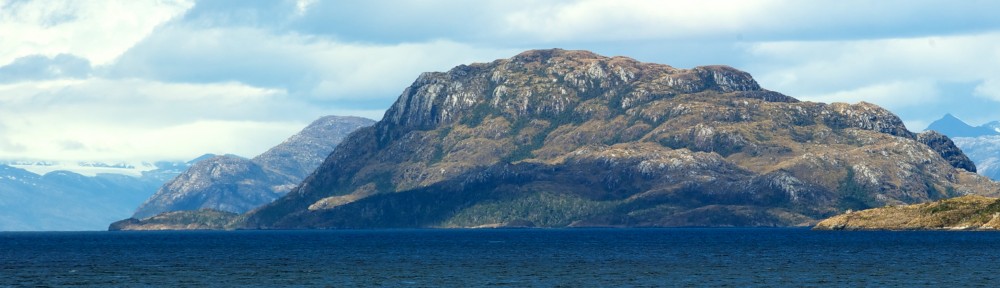
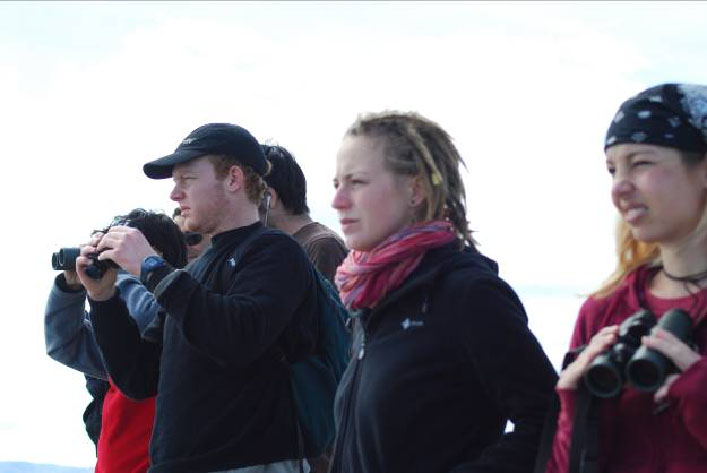
 The American Birding Association program Birder’s Exchange (BeX) approved an application submitted by OSARA for UMAG master’s student Cristóbal Pizarro to obtain birding equipment to conduct his thesis on the sea birds of the Cape Horn Biosphere Reserve and their possible role as vectors that link marine and terrestrial ecosystems. The donation also proved useful in January as part of this year’s Tracing Darwin’s Path course for students involved in the elaboration of a new ethno-ecology book for which they had to obtain new photos and sound recordings of island birds.
Daily Archives: February 10, 2008
New Lichen Expedition a Success
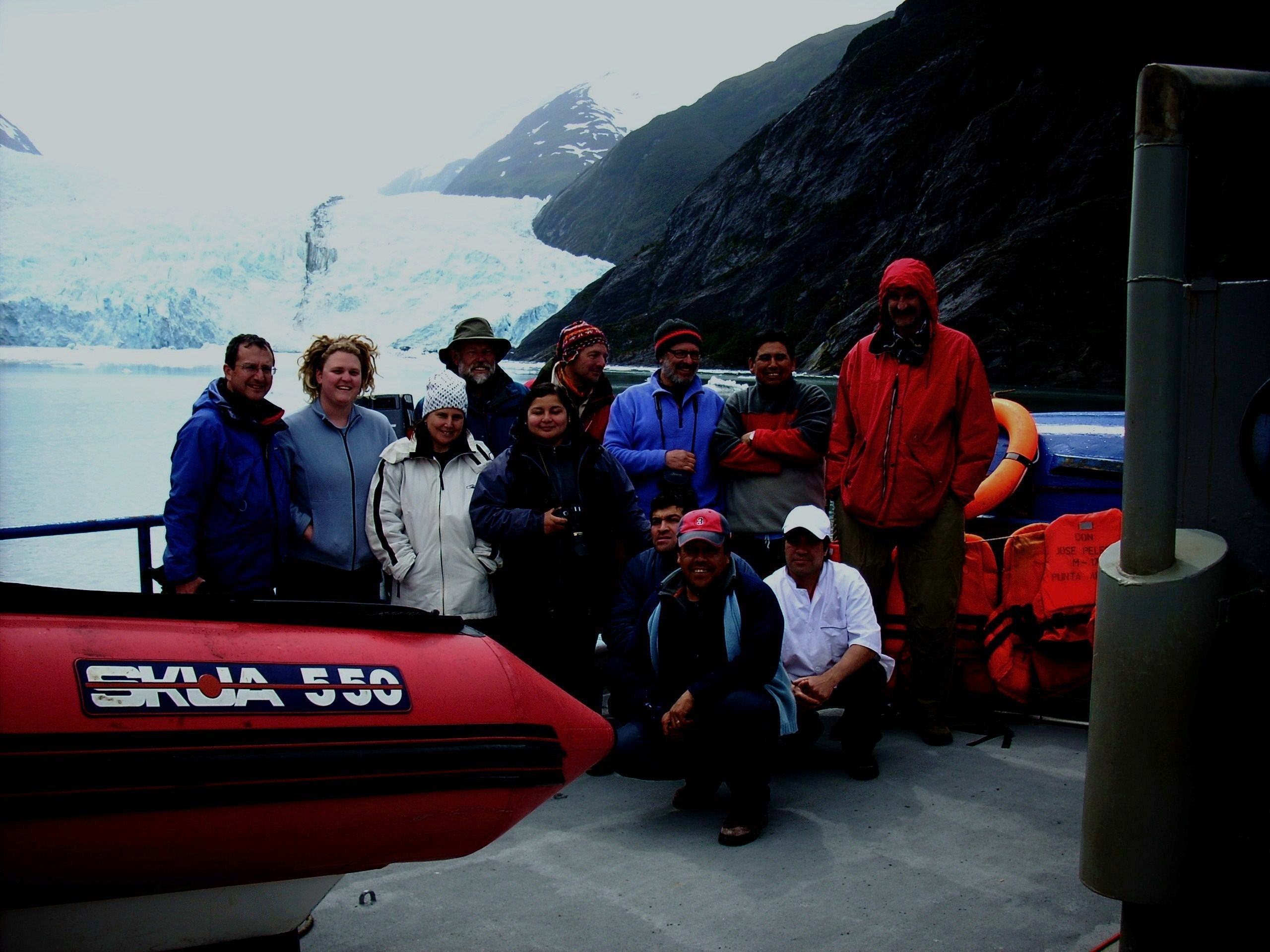 A multi-national group of scientists, lead by Spanish lichenologist Dr. Leopoldo Sancho from the Universidad Complutense in Madrid, Spain, returned to the Cape Horn Biosphere Reserve (CHBR) for a second major expedition in January. The trip continued work begun in 2005. This year the multidisciplinary team included taxonomists, geomorphologists, botanists, philosphers, UMAG masters students and UNT undergrads. The scientists and students navigated through the Northwest Arm of the Beagle Channel, studying principally the lichen flora found along recently receeded glacial valleys.
The taxanomic and ecological study will be linked to work done by Dr. Sancho and his colleagues in Antarctica and included the installation of a climate station in the Omora Park. Future work will continue to explore the effect of climate change and Antarctic-Subantarctic connections by using lichens. In addition, the team is helping Dr. Ricardo Rozzi, UMAG master’s student Yanet Medina and UNT undergrad Kelli Moses develop content for the narrative of the new “Garden of the Cape Horn Miniature Forest,” a trail being implemented in the Omora Park to bring this hidden aspect of biodiversity to tourists’ attention.
U. of Washington Graduate Students in the CHBR
During February, University of Washington Ph.D. Student Gus Jespersen will be implementing a novel study in the Omora Park, one that is being replicated as well in the Cascade Mountains of the Pacific Northwest (USA). Gus’ work is of particular interest to the researchers of the CHBR as he is looking at the role of lichens in influencing the development of vascular plants in high-Andean sites, above treeline.
This is not the first U.W. research being conducted in the CHBR. For the past 3 years, the Omora Park has also received students Aaron Clark and Liz Addis, working with Dr. Rodrigo Vasquez on the ecophysiology of the rufous-collared sparrow (Zonotrichia capensis).
OSARA President to Give Keynote Address at UNT
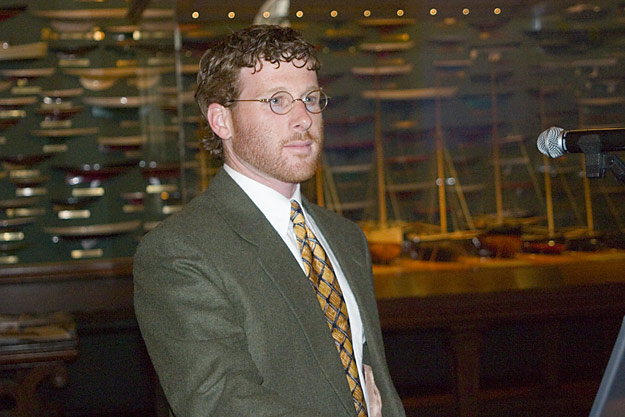 OSARA President Dr. Christopher Anderson will give the keynote address at the University of North Texas Biology Graduate Student Association’s Annual Symposium. The invitation to participate in the “Annual Research Day in Life Sciences” continues the existing work between OSARA and UNT and offers a new possibility to strengthen collaborations with science graduate students.
Anderson’s talk, entitled “Biocultural Conservation: A ‘Southern’s’ Perspective from the South” will focus on the history and existing programs in the Cape Horn Biosphere Reserve. Dr. Anderson will also use this case study and his personal experience to show how students interested in science and conservation can create and implement meaningful programs and initiatives, not just at the ends of the earth, but anywhere they find themselves.
Peace Boat Coming to the CHBR
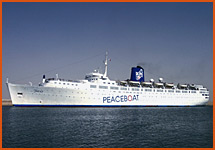 During March 2008, the Peace Boat will be passing through the Cape Horn Biosphere Reserve (CHBR). Organizers have asked to learn about the research, education and conservation activities carried out at the Omora Park and in the CHBR. So, while in port at Punta Arenas on the 15th, passengers will meet the researchers and students working at the University of Magallanes, hear a talk from OSARA President Dr. Christopher Anderson, and visit the urban wetland “Humedal 3 Puentes,” whose conservation is being promoted by local authorities and citizens alike.
The Peace Boat‘s mission to “build a culture of peace around the world” takes it to ports-of-call from Vietnam to Oman and Antarctica to Alaska. At each location, organizers link visitors with non-profit organizations working on key issues of poverty, the environment and human rights.